About Our Hellebores
About Winter Jewels® Hellebores
To insure the integrity of the strain, all of our stock plants were hand-pollinated and isolated from pollination by insects. They were individually bagged and collected by color strain to prevent errors. We strived for clean, clear colors, evenly shaped petals (actually tepals in a hellebore), good vigor, and, of course, a plentiful flower show. We also selected for flowers held vertically instead of drooping, or, if they did nod, we paid particular attention to the back of the tepals, which must show interesting coloration. Disease resistance was a priority in our breeding program.
The flowers of hellebores have to nod somewhat to protect the pollen from becoming wet, since, at the time they bloom, they are exposed to extreme weather. If the fallen stamens sit in a pool of water in an up-facing flower it is likely that the flower will rot — not an attractive sight!
Double Hellebores
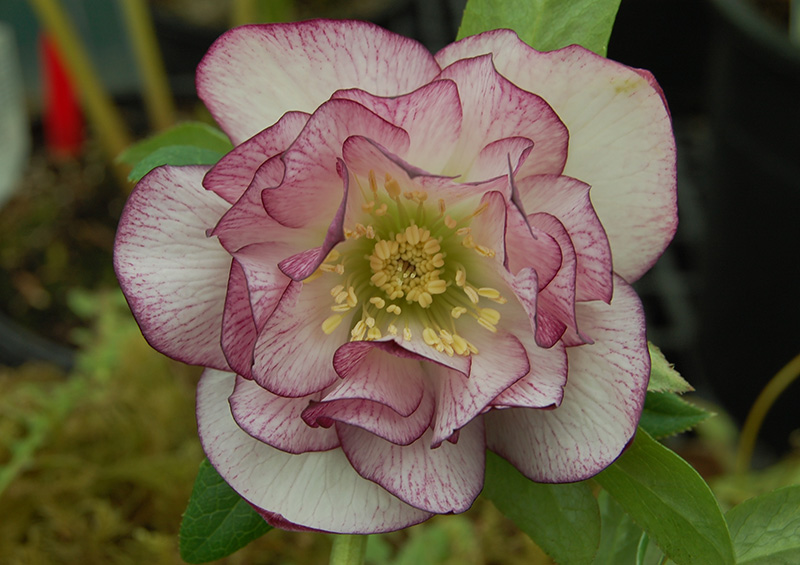
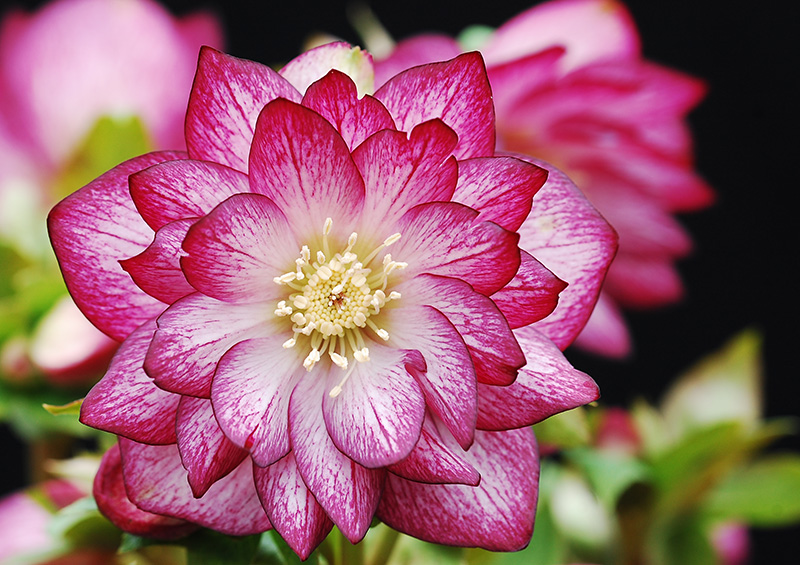
Our goal was to have double flowers full and tepals evenly spaced. They can be frilly or have broad tepals, but should be colorful and interesting from above so that their beauty can be enjoyed without bending over.
Fine Foliage
Regarding foliage, we took care that leaves did not overwhelm the flowers when the flowers are still in bloom. Black and green flowers will have a higher percentage of fine-leaved plants than yellows and pinks. That is just part of the genetics, since Helleborus x hybridus was developed from about 16-19 different species (depending on who is counting).
Choice Stock Plants
Each year we gathered a few of the choicest of our new hybrids as stock plants and at the same time retired some, even if the year before we thought them “the best.” Only in this way did we make constant progress toward the “perfect plant” for your garden. You can sign up for a reminder email and for more information go here.
What’s New?
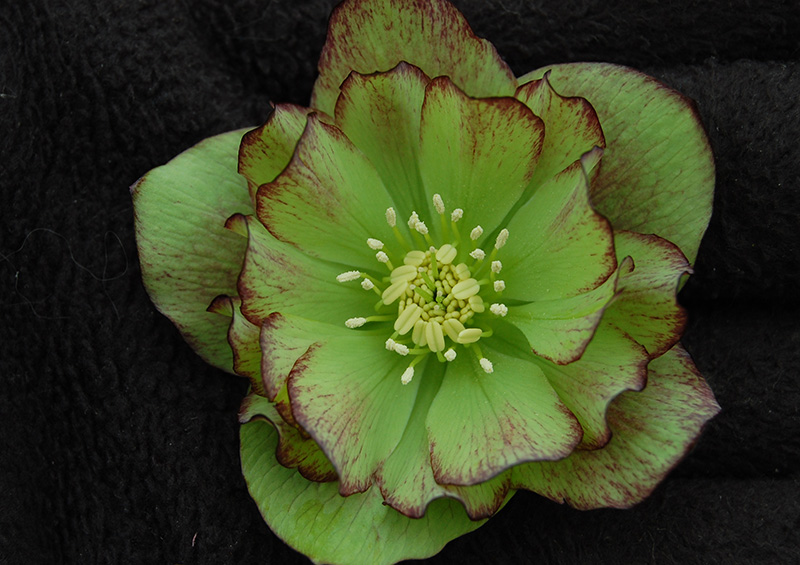
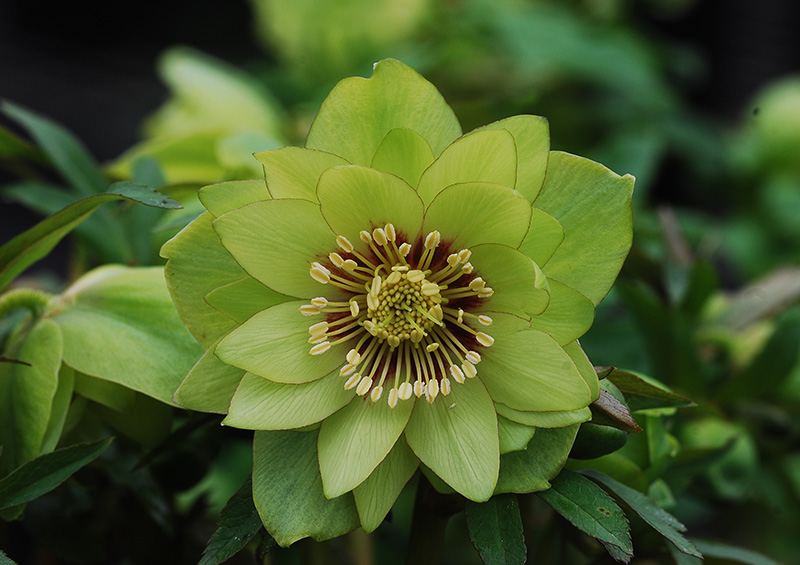
That leads us into a comment about our seed strains and the names for them. We have over many years markedly improved our strains on a steadily changing basis, sometimes quickly, sometimes very slowly. Since they are seed strains and not cultivars, we do not see the need, or desirability, of renaming the strains unless there is a “breakthrough” into a variety that is VERY different from what has come before. So, if you see new plants that are a marked improvement in clarity of color, growth habit, flower presentation, etc. compared to plants from years before, it is because we are working hard to select the best seed parents year after year. You might have to “upgrade” if you like the newer plants better.
Examples of Varietal Improvements
Jade Tiger, original and improved
Single Painted, original and improved
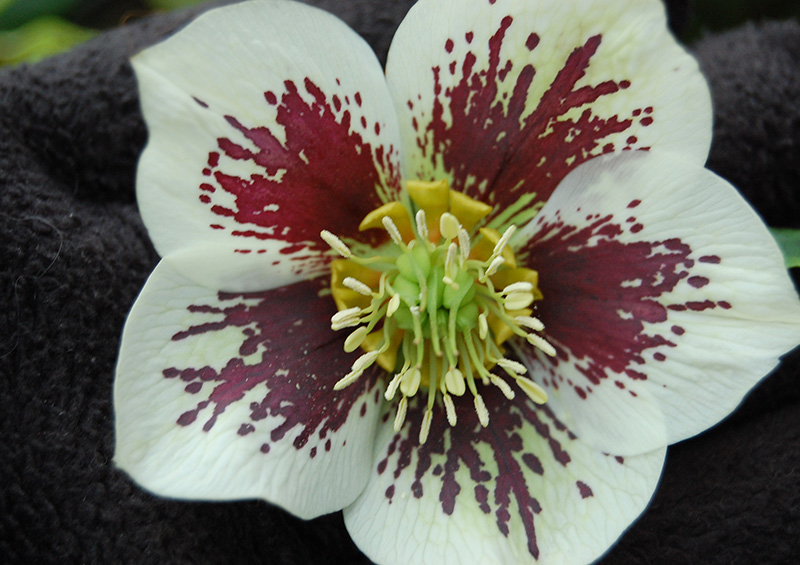
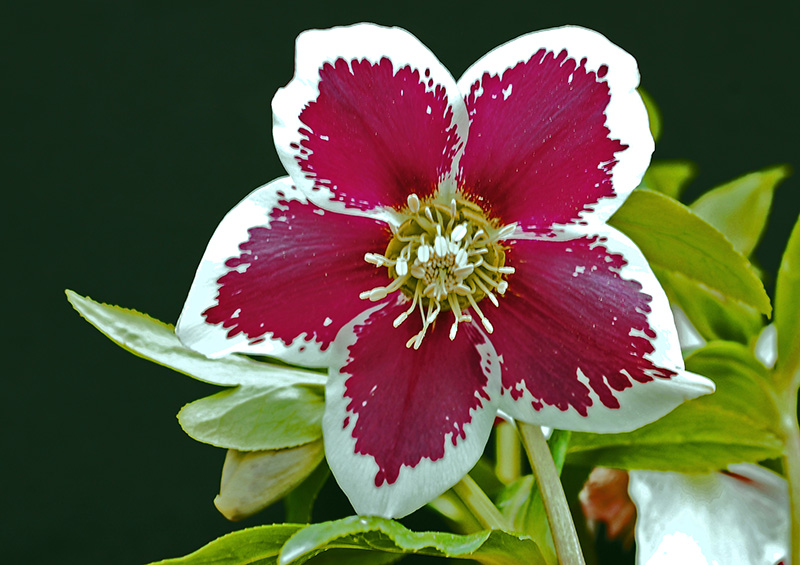
Double Painted, original and improved
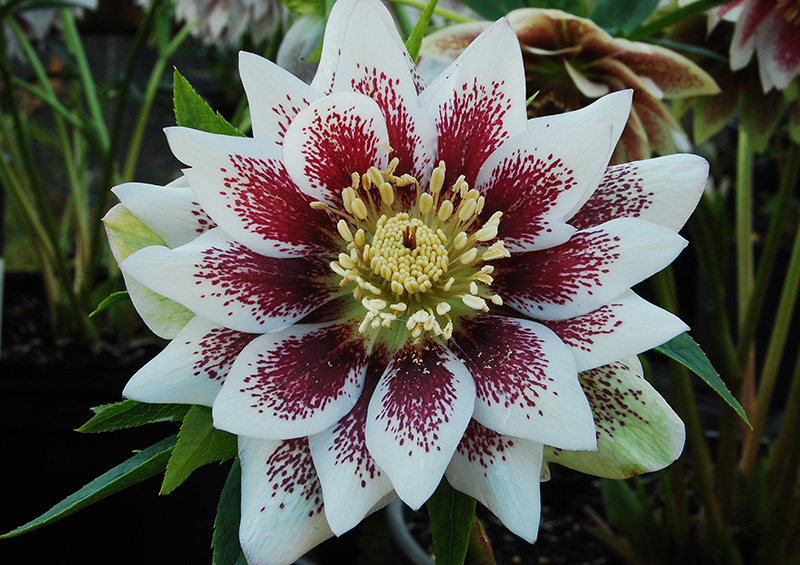
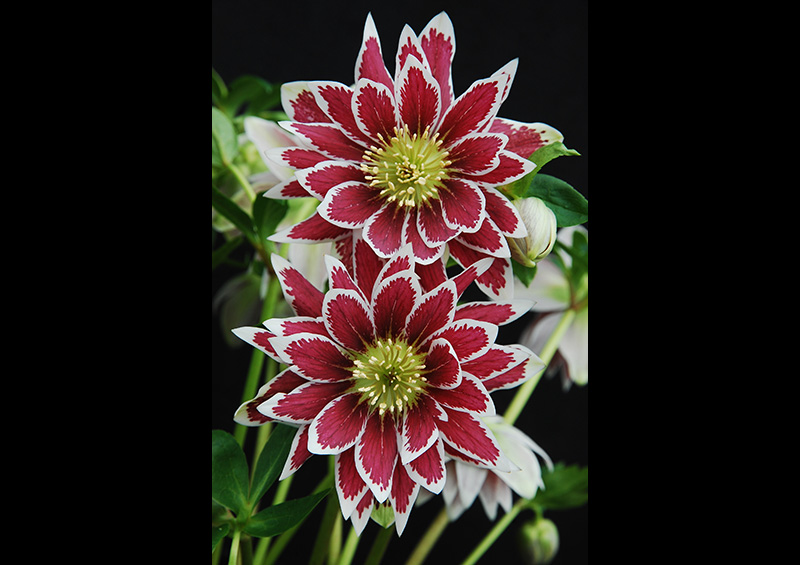
Peppermint Ice, original and improved